
 UAE
UAE
 Qatar
Qatar
 Pakistan
 KSA
KSA
 Oman
Oman
 Kuwait
 Bahrain
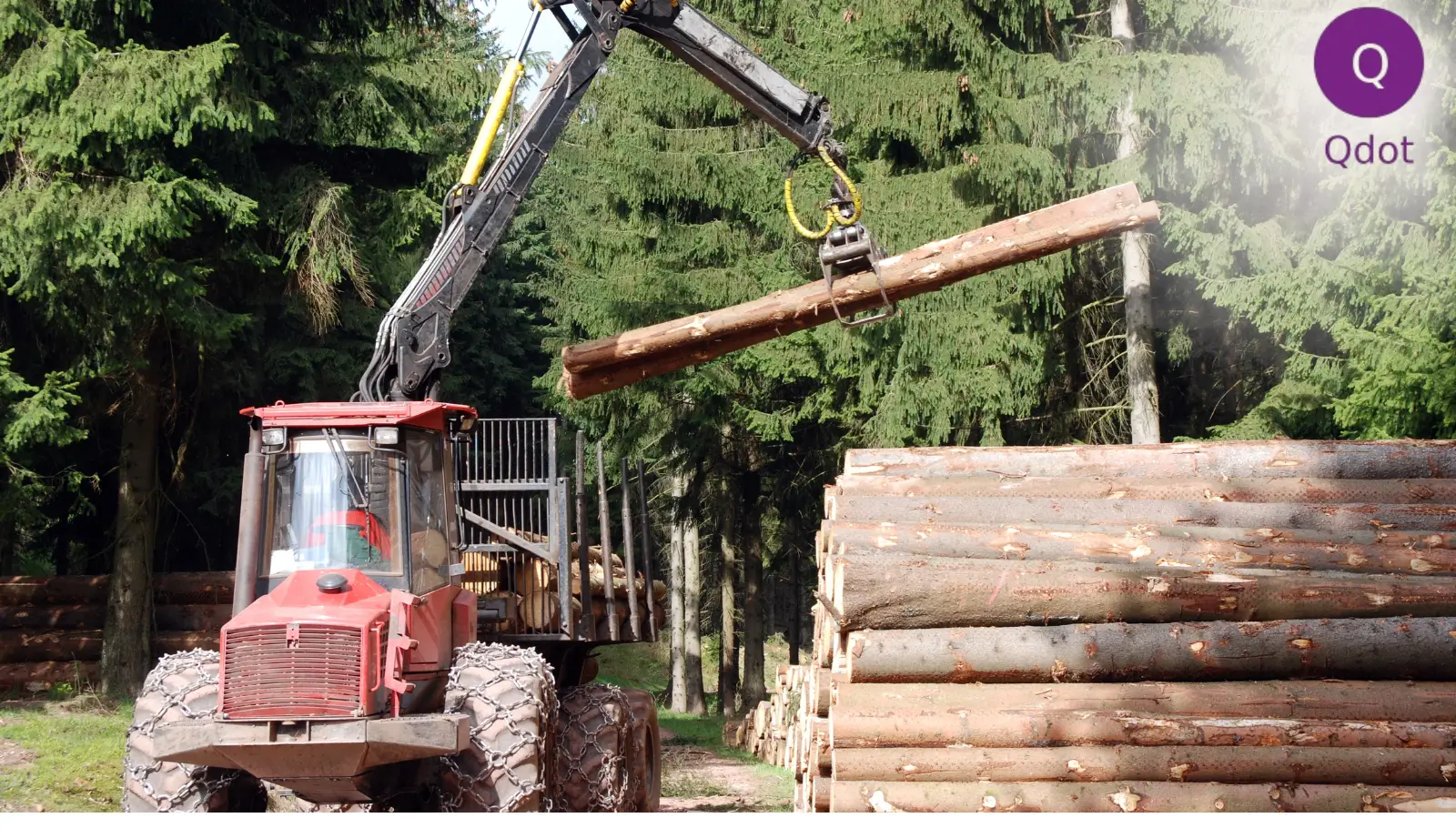
Pakistan's agriculture, forestry, and fishing sectors form the backbone of the country's economy and its export trade. As buyers and international markets ask for stronger proof of quality, safety, and sustainable practice, businesses in these sectors are turning to internationally recognized certification to stay competitive. Qdot supports farms, agro-processors, forestry operations, fisheries, and seafood exporters across Pakistan in achieving ISO and food safety certifications suited to their operations.
With clients in Karachi, Lahore, Islamabad, Faisalabad, Sialkot, Gwadar, and other agricultural and coastal regions, Qdot provides hands-on consultancy covering documentation, system implementation, staff training, and audit coordination.
Why Certification Matters for This Sector
Agriculture, forestry, and fishing businesses face growing scrutiny from buyers, regulators, and export markets on food safety, traceability, and environmental responsibility. Certification gives these businesses a structured way to demonstrate that products are grown, harvested, processed, and handled to a consistent, verifiable standard.
ISO 22000 – Food Safety Management
Applies to farms, processors, and fisheries handling food products, covering hazard control from harvest through to distribution.
ISO 9001 – Quality Management
Helps agricultural and forestry operations standardize processes, reduce waste, and build consistency across production.
HACCP
A focused food safety system for fisheries and seafood processors, identifying and controlling hazards at critical points in handling and processing.
Qdot advises on the right combination of standards depending on whether a business is farming, processing, exporting, or a mix of all three.
Importance for Pakistan's Agriculture, Forestry and Fishing Sector
As Pakistan's agricultural and seafood exports reach more international markets, certification has become central to:
- Meeting import requirements of international buyers and retailers
- Reducing product rejection and rework at export checkpoints
- Improving traceability across the supply chain, from field or boat to buyer
- Building credibility with distributors, processors, and government trade bodies
This applies to farms and agro-processing units, forestry and timber operations, and fisheries or seafood exporters based in Karachi, Gwadar, and other production hubs.
Qdot's Certification Services for This Industry
Qdot works with businesses across the agriculture, forestry, and fishing value chain, offering:
- Gap analysis against the relevant ISO or HACCP standard
- Documentation and record-keeping systems built for farm, forestry, or fishery operations
- Staff and worker training on hygiene, handling, and safety practices
- Internal audits and pre-certification readiness checks
- Coordination with certification bodies through to final audit
- Ongoing support to maintain certification and prepare for renewal
Whether the goal is a single certification or a combined food safety and quality system, Qdot manages the process from first assessment to certificate issuance.
Certification Process – Step by Step
- Initial Assessment: Review current practices against the chosen standard and identify gaps.
- Documentation Preparation: Build the procedures, records, and controls the standard requires.
- Implementation & Training: Train staff and workers on the new procedures and safety practices.
- Internal Audit & Review: Run a pre-certification audit and correct any non-conformities.
- Final Certification Audit: Coordinate with the certification body to complete the formal audit.
- Continuous Support: Maintain compliance and prepare for periodic surveillance audits and renewal.
Key Benefits of Certification
- Export Readiness: Meet the documentation and safety expectations of international buyers.
- Fewer Rejections: Catch quality and safety issues before products leave the farm or facility.
- Stronger Traceability: Track products through every stage of production and handling.
- Buyer Confidence: Give distributors and retailers a verifiable reason to trust your product.
- Operational Consistency: Standardize processes across farms, boats, or processing sites.
- Long-Term Market Access: Support entry into markets that require formal certification.
Certification Cost
Cost depends on a few factors:
- Which standard or combination of standards is needed
- Size and number of sites (farm, processing unit, or vessel)
- Current level of documentation and compliance
- Scope of certification (single product line vs. full operation)
Qdot puts together a consultancy package suited to the size and stage of the business.
Certificate Validity and Maintenance
Validity: Most certifications are valid for three years, with annual or periodic surveillance audits.
Maintenance: Records, training, and internal audits need to stay current between surveillance visits.
Qdot supports clients through the full certification cycle, including renewal preparation.
Building Trust with Buyers and Export Markets
For agriculture, forestry, and fishing businesses, certification is more than a compliance requirement — it is proof of consistent, safe, and traceable practice. It gives Pakistani producers and exporters a stronger position when negotiating with international buyers and entering new markets.
Why Choose Qdot for This Sector
- Experience across food safety and quality standards relevant to agriculture, forestry, and fishing
- Practical, on-ground support from documentation through to final audit
- Presence across Karachi, Lahore, Islamabad, Faisalabad, Sialkot, Gwadar
- Guidance tailored to the realities of farm, forestry, and fishery operations
- Focus on long-term compliance, not just a one-time certificate
Qdot helps make certification a straightforward, manageable process rather than a burden on day-to-day operations.
Get in Touch with Qdot
Looking to certify your agriculture, forestry, or fishing business? Qdot provides full support for:
- Documentation and system setup
- Staff and worker training
- Audit coordination and certification
- Ongoing compliance and renewal support
FAQs
Agriculture, forestry, and fishing businesses can implement ISO 9001 for quality management, ISO 14001 for environmental management, ISO 45001 for occupational health and safety, ISO 22000 for food safety, and other relevant ISO standards based on their operations.
ISO certification helps agriculture companies improve quality, ensure regulatory compliance, control risks, enhance sustainability, improve operational efficiency, and build trust with customers and international buyers.
ISO 9001 helps farms and agricultural businesses establish effective quality management systems, improve process control, reduce errors, enhance customer satisfaction, and maintain consistent product quality.
Yes. ISO 14001 helps forestry and agriculture organizations manage environmental impacts, improve resource efficiency, reduce waste, and demonstrate commitment to sustainable practices.
Yes. ISO 45001 helps agriculture, forestry, and fishing companies identify workplace hazards, improve employee safety, reduce occupational risks, and establish effective health and safety controls.
Yes. Qdot provides ISO consultancy services for agriculture, forestry, and fishing organizations in Pakistan, including gap assessment, documentation development, training, implementation support, internal audits, and certification preparation.
The ISO certification timeline depends on the organization size, existing management practices, selected ISO standard, and audit readiness. Most organizations can complete implementation within a few months with proper consultancy support.
Yes. Qdot provides ISO consultancy services across Pakistan, including Lahore, Karachi, Islamabad, and other agricultural and industrial regions.
Yes. ISO standards can be implemented according to the size and complexity of the organization. Small farms and agricultural businesses can also benefit from improved processes, compliance, and market opportunities.
You can contact Qdot for ISO consultancy support. Our consultants help agriculture, forestry, and fishing organizations implement ISO management systems and prepare for certification audits.